Open house lead follow-up turns visitor sign-ins into qualified conversations. Use this guide to capture intent, call faster, route leads, and measure ROI.
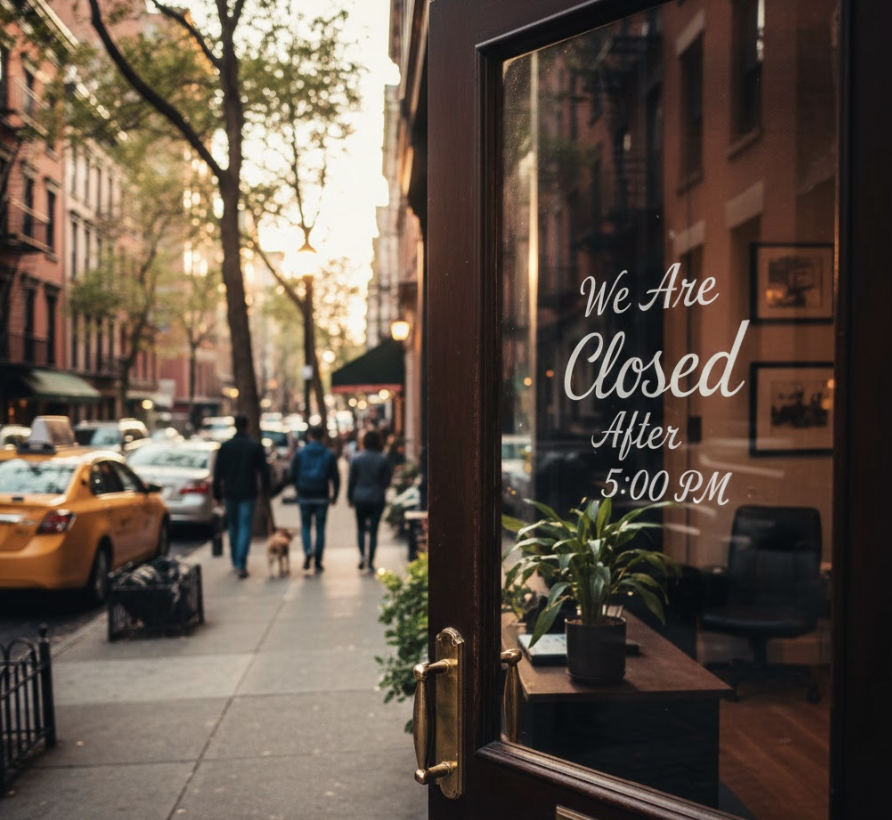
Open house lead follow-up is the system real estate teams use to turn visitor sign-ins into qualified conversations, booked showings, buyer consultations, seller reports, and CRM tasks.
The hard part is not hosting the open house. The hard part is what happens after the last visitor leaves, when agents are packing signs, answering weekend calls, updating the seller, and trying to remember who said they were pre-approved.
This guide explains how real estate teams can use structured sign-in, phone follow-up, AI receptionists, CRM routing, and simple ROI math to stop losing warm open house leads.
You will learn:
How to separate hot buyers from casual visitors
What to collect at the door without creating friction
How AI call handling fits into open house lead follow-up
How to build a 48-hour workflow for calls, texts, email, and CRM updates
How to measure missed opportunity, appointment rate, and seller-report value
Open house lead follow-up is the repeatable process of contacting, qualifying, routing, and nurturing people who visit an open house after they provide contact information or ask for property details.
In practice, open house follow-up includes the sign-in form, first call, voicemail, SMS or email touch, buyer qualification, showing request handling, CRM logging, lead scoring, and seller reporting.
For a solo REALTOR®, this may be a simple checklist. For a brokerage or real estate team, it should be an operating system with clear ownership, service-level agreements, scripts, consent language, and CRM fields.
Open house follow-up is closely related to real estate speed to lead, but it has one unique advantage: the lead has already walked through a property. That means the conversation can start with context, not a cold pitch.
Most open house leads are lost because the follow-up system depends on memory, handwriting, and spare time.
The visitor was interested enough to tour a home, but the agent may still need to drive back, remove signs, enter names into a CRM, send a seller update, answer other listing calls, and prepare for Monday appointments. By the time follow-up happens, the buyer may have toured other homes, contacted another agent, or forgotten which property you hosted.
The risk is higher for teams because open house traffic is spread across agents, listings, weekends, and lead sources. Without a shared process, one agent may call every visitor the same evening while another waits until Tuesday. That inconsistency makes it hard to train, coach, forecast, or prove open house ROI.
The National Association of REALTORS® 2025 Profile of Home Buyers and Sellers says open houses were still considered very useful by 43% of buyers, even as digital property search remains dominant. CREA has also emphasized that Canadian REALTOR.ca leads include useful qualifying information such as whether a person is pre-approved, already working with a REALTOR®, or requesting a showing. Open house and listing leads are not low-quality by default. The quality is often lost during follow-up.
A good benchmark is not just speed. The better benchmark is qualified speed: how fast your team can turn a visitor into the right next step with the right context.
The MIT and InsideSales.com Lead Response Management study found that contacting a lead within five minutes versus 30 minutes made teams far more likely to reach and qualify that lead. Open house follow-up is not identical to a web form inquiry, but the lesson applies: buyer intent cools quickly.
Metric | Weak open house process | Strong open house process |
|---|---|---|
Sign-in capture | Paper sheet, incomplete fields, illegible contact details | Digital form, QR code, or tablet with required fields |
First touch | Generic email the next business day | Same-day call, text, or email based on consent and lead score |
Buyer qualification | Agent asks later from memory | Timeline, agent status, financing, search criteria, and interest captured early |
CRM update | Manual note entry after the weekend | Contact, source, listing, transcript, tags, and next task synced automatically |
Seller report | Verbal summary based on memory | Visitor count, feedback themes, lead quality, and follow-up status |
These are operating benchmarks, not guaranteed conversion rates. Each market, brokerage, and consent policy will differ.
Use this scorecard to decide whether your current process is ready for serious buyer follow-up or just collecting names. Score each item from 0 to 2.
Capture completeness: Do you reliably collect name, phone, email, source, agent status, financing status, timeline, and property interest?
Consent clarity: Does the sign-in language explain how visitors may be contacted by phone, text, or email?
First-touch speed: Does every visitor receive an appropriate same-day touch, not just hot leads the agent remembers?
Phone coverage: Can someone answer or return calls when visitors call after the open house, during another showing, or after hours?
Qualification depth: Do you separate active buyers, represented buyers, neighbors, investors, and long-term browsers?
CRM routing: Does each lead land in the right pipeline with listing source, open house date, owner, and next task?
Seller reporting: Can the listing agent give the seller a credible report within 24 hours?
Compliance controls: Are opt-outs, represented-buyer notes, and consent records visible to the team?
Score interpretation: 0 to 6 means the process is mostly manual. 7 to 12 means the process works for disciplined agents but may break during busy weekends. 13 to 16 means the process is ready for automation, AI call handling, and team-level reporting.
The simplest open house ROI model estimates the revenue at risk when follow-up is delayed or incomplete.
Formula: open houses per month x average qualified visitors x buyer appointment rate x close rate x average commission = influenced commission opportunity
Example: 8 open houses per month x 5 qualified visitors per open house x 20% buyer appointment rate x 15% close rate x $7,500 average commission = $9,000 influenced commission opportunity per month.
Input | Manual follow-up example | AI-assisted follow-up example |
|---|---|---|
Qualified visitors captured | 40 | 40 |
Visitors reached within same day | 18 | 36 |
Buyer consults or second showings booked | 4 | 8 |
CRM notes completed | Partial | Complete |
Seller report prepared | Manual | Same-day summary from structured data |
Example only. Replace the assumptions with your own market, commission structure, lead quality, and brokerage rules. This is not a revenue guarantee.
AI call handling answers, qualifies, and routes open house follow-up conversations when agents cannot personally handle every call immediately.
An AI receptionist should not replace the agent relationship. It should protect the first conversation, collect structured information, and get qualified visitors to the right human faster.
Open house activity often peaks when agents are least available: Saturday afternoons, Sunday evenings, and weekday nights after buyers discuss what they saw. An AI receptionist can answer when a visitor calls back, confirm the property they toured, capture the question, and route urgent showing or offer-related inquiries to the agent.
For broader call coverage, see TalkLuna's guide to Voice AI in real estate.
A strong AI call workflow asks conversational questions: What did you think of the property? Are you actively looking in this area or just getting started? Are you currently working with a real estate agent? Have you spoken with a lender or mortgage broker? Would you like to book a private showing or talk through similar listings?
Those answers should become structured CRM fields. For deeper scoring logic, use the framework in real estate lead qualification.
The follow-up is only useful if the agent can act on it. A good AI receptionist should send the visitor's name, phone number, email, property address, open house date, financing status, agent status, timeline, preferred areas, call summary, transcript, recording link if available, and next action to the CRM.
That connects naturally to AI answering service CRM integration for real estate, especially for teams using Follow Up Boss, kvCORE, Lofty, Sierra Interactive, HubSpot, or similar systems.
The best open house follow-up system combines real estate context, consent controls, and fast human handoff.
Use a digital sign-in form, QR code, or tablet instead of a paper sheet whenever possible. Required fields should include contact information, property visited, whether the visitor is represented, general timeline, financing status, and consent preferences. Keep it short. A visitor should not need to complete a mortgage application at the door.
Email is useful, but real estate is still a conversation business. If a visitor is highly interested, asks about disclosures, requests a second showing, or has no agent, the next step should often be a phone call.
An AI receptionist can make sure inbound callbacks are answered and outbound call tasks are created quickly. If your team is comparing staffing models, see Real Estate ISA: AI Receptionist Guide.
The system should know the property address, price range, showing instructions, open house date, agent owner, and approved talking points. RESO describes its Data Dictionary as the real estate industry's universal language for data, which is a useful reminder: property and lead data should be structured enough to move between systems.
Your follow-up should ask whether the visitor is already working with an agent. NAR's Code of Ethics Article 16 and related Standards of Practice caution REALTORS® to respect exclusive representation relationships. In Canada, provincial rules and board expectations may differ, but the operational principle is similar: document the answer and route represented buyers carefully.
For U.S. teams, review TCPA and telemarketing rules before automating calls or texts. NAR's telemarketing guidance emphasizes consent language, opt-out paths, and recordkeeping. For Canadian teams, CASL applies to commercial electronic messages such as texts and emails. The CRTC summarizes the core requirements as consent, identification information, and an unsubscribe mechanism.
There is no single best tool for every team. The right approach depends on call volume, lead value, compliance needs, and CRM maturity.
Option | Best fit | Watch out for |
|---|---|---|
Paper sign-in plus manual calls | Low-volume solo agents who know every visitor personally | Incomplete data, slow entry, no team visibility |
Digital sign-in app | Agents who need clean contact capture and basic email follow-up | Often captures fields but not phone conversations or call intent |
CRM drip campaign | Teams with strong CRM discipline and clear lead stages | Generic nurture can miss hot buyers who need a call now |
Live ISA or admin team | High-volume teams that need human follow-up and appointment setting | Cost, staffing coverage, training consistency, weekend availability |
AI receptionist plus CRM routing | Teams that need 24/7 call coverage, qualification, and structured handoff | Requires scripts, escalation rules, consent language, and human ownership |
Hybrid AI plus human ISA | Brokerages with high-value leads and complex routing | Requires process ownership so AI and humans do not duplicate outreach |
A workflow should make the next step obvious before the agent opens the CRM.
Visitor signs in and says they are not working with an agent.
Visitor indicates a 0 to 90 day timeline or asks about a private showing.
AI receptionist or agent calls the same day.
The call confirms search criteria, financing status, preferred neighborhoods, and decision timeline.
Qualified visitor is routed to the agent for a buyer consultation or second showing.
Visitor signs in and says they are working with another agent.
Follow-up thanks the visitor and offers property-specific information.
The CRM flags represented status.
The listing agent answers permissible property questions and avoids soliciting representation.
Visitor says they own a nearby home or are considering selling.
AI receptionist captures address, timeline, motivation, and preferred contact window.
Lead is routed to listing agent or seller specialist.
The agent offers a valuation consultation, not an unsupported price opinion during the AI call.
This connects to listing inquiry automation, because many open house questions are really listing questions in a different channel.
The safest implementation starts with process design before software.
Define lead stages: Captured, contacted, engaged, qualified, consultation booked, nurture, represented, closed lost.
Standardize sign-in fields: Name, phone, email, property, date, visitor type, agent status, timeline, financing, consent, notes.
Write first-touch rules: Decide which leads get a call, text, email, or human task first.
Create escalation rules: Hot buyer, seller lead, offer question, complaint, represented buyer, and urgent showing request.
Connect the CRM: Map fields before launch so notes do not land as messy free text.
Build scripts: Use one script for hot buyers, one for casual browsers, one for represented buyers, and one for seller leads.
Review consent language: Confirm U.S. TCPA and Canadian CASL requirements with counsel or brokerage compliance.
Train agents: Make sure agents know what the AI handles and what only humans should handle.
Measure weekly: Track sign-in completion, same-day reach rate, appointments booked, and seller report completion.
Improve monthly: Update scripts based on real objections, missed calls, bad handoffs, and seller feedback.
A strong follow-up system should feel helpful, not aggressive.
Lead with context: Mention the exact property, open house date, and reason for follow-up.
Ask about representation early: It protects the consumer, the agent, and the brokerage.
Call hot leads first: A pre-approved buyer asking for a second showing should not wait behind a generic drip campaign.
Log every touch: If it is not in the CRM, the team cannot coach, route, or report on it.
Respect opt-outs: Make unsubscribe and stop-language handling visible in the workflow.
Report back to sellers: Show visitor count, feedback themes, and follow-up progress within 24 hours.
The most expensive mistakes are usually operational, not technical.
Collecting too little information: Name and email alone do not tell you whether the visitor is ready, represented, financed, or just browsing.
Collecting too much information: A long form can reduce sign-ins. Ask only what changes the next action.
Sending the same message to everyone: A neighbor, a pre-approved buyer, and a represented buyer need different follow-up.
Letting AI answer beyond its role: AI should not give legal advice, promise valuation outcomes, negotiate, or pressure represented buyers.
Skipping CRM field design: Messy notes make automation look like more work than it saves.
Ignoring after-hours calls: Many visitors talk with family after the open house and call back later. Voicemail loses momentum.
Open house follow-up is moving from contact capture to intent capture.
The old model was simple: collect a name, send a thank-you email, and hope the buyer replies. The newer model connects sign-in, conversation, CRM, appointment booking, and seller reporting into one workflow.
AI voice agents will make this more practical for real estate teams because they can answer calls outside office hours, ask consistent questions, summarize conversations, and route hot leads to the right person. The winners will not be teams that automate everything. The winners will be teams that use AI to protect human attention for the conversations that actually need an agent.
Open house lead follow-up works when every visitor gets the right next step while the property is still fresh in their mind.
TalkLuna is a Canadian-built Voice AI platform serving real estate teams and businesses across Canada and the United States. TalkLuna helps teams answer calls, qualify leads, capture caller information, book appointments, and connect call data with CRM workflows.
If your open house follow-up depends on Monday morning data entry, start with the basics: clean sign-in, same-day calling rules, CRM fields, and seller reporting. Once that system is clear, AI call handling can help your team answer more calls without losing the human relationship that wins the client.
Open house lead follow-up is the process of contacting and qualifying visitors after they attend an open house. It usually includes same-day calls, texts, emails, CRM updates, lead scoring, appointment booking, and seller reporting.
Real estate agents should follow up with serious open house leads the same day, ideally while the property is still fresh in the visitor's mind. Hot buyers who ask about a second showing, disclosures, financing, or offer timing should receive the fastest phone follow-up.
AI can help with open house lead follow-up by answering inbound calls, asking qualifying questions, booking next steps, and routing summaries to the CRM. Teams should define consent rules, escalation points, and human ownership before using AI for outbound or automated follow-up.
An open house sign-in form should ask for name, phone, email, property visited, whether the visitor is working with an agent, general buying timeline, financing status, consent preferences, and one short question about what they are looking for. Keep the form short enough that visitors will actually complete it.
Open house follow-up differs between Canada and the United States mainly around consent, privacy, and brokerage rules. Canadian teams should consider CASL requirements for commercial electronic messages, while U.S. teams should review TCPA, Do Not Call, and brokerage telemarketing policies.
Open house follow-up improves CRM ROI when every visitor is captured with a source, property, lead score, next action, and owner. That makes it possible to measure appointment rates, seller-report value, future pipeline, and closed deals influenced by open house activity.
An overflow answering service catches calls when your team is busy. Use this buyer guide to compare AI, live, and hybrid coverage, model ROI, and set call routing rules.
Read more →Real estate speed to lead is the response-time system that helps teams turn listing inquiries, buyer calls, seller leads, and CRM alerts into live conversations before prospects move on.
Read more →A practical North American guide to mortgage lead qualification, including phone intake questions, lead scoring, AI receptionist workflows, compliance notes, and ROI math.
Read more →TalkLuna answers when you cannot, qualifies buyer and seller inquiries, and syncs summaries to your CRM.
AI answering service for your business calls. Never miss an opportunity again.
info@talkluna.comBlog
Case Studies
Integrations
© 2026 talkluna. All rights reserved. Made for 🇺🇸