A practical guide for real estate agents, teams, and brokerages evaluating after-hours call answering, AI receptionists, lead routing, and CRM workflows.
An after-hours answering service for real estate helps agents, teams, REALTORS®, and brokerages answer buyer and seller calls outside normal office hours. The best systems do more than take messages: they qualify leads, book showings, route urgent calls, and update the CRM before the next business day.
This guide is the after-hours decision. For how an AI receptionist is used by agents, teams, and brokerages across the full day, not only nights and weekends, read AI Receptionist for Real Estate: Complete Guide for Agents, Teams & Brokerages.
A buyer sees a listing after work. They tap the phone number at 9:17 PM and ask if they can tour the home this weekend. The agent is with family. The call goes to voicemail. By morning, the buyer has already spoken with another agent.
That is the after-hours gap. This guide explains how to close it with a practical call handling system that protects lead spend without asking agents to live by the phone.
You will learn:
What an after-hours answering service for real estate does
Which calls should be answered, booked, routed, or escalated
How AI receptionists compare with live answering services and voicemail
How to estimate missed-opportunity cost with your own numbers
How to implement after-hours coverage across the U.S. and Canada
An after-hours answering service for real estate is a call handling system that answers buyer, seller, renter, referral, and transaction calls when agents or offices are unavailable. It can use live receptionists, AI voice agents, or a hybrid model.
For real estate teams, the job is not simply to say, "The office is closed." The job is to start the right next step while caller intent is high. A useful system can identify the caller, capture the property or area involved, ask qualification questions, book a showing or consultation, route urgent calls, and sync the result into the CRM.
The difference between a generic answering service and a real estate after-hours answering service is context. A real estate caller may reference a listing, showing request, open house, seller valuation, offer deadline, inspection, lender, closing date, tenant, REALTOR.ca, Zillow, or Realtor.com inquiry. The answering workflow needs to understand those situations.
For a broader overview of daytime and 24/7 coverage, see TalkLuna's guide to a real estate answering service.
Real estate teams lose calls after hours because consumer search behavior does not follow office hours. Buyers browse listings at night, couples compare homes after work, renters call when they are off shift, and sellers often research agents on weekends.
The National Association of REALTORS® reports that, in its 2025 Profile of Home Buyers and Sellers, 46 percent of buyers began by looking for properties online, 52 percent found the home they purchased online, and 70 percent used a mobile or tablet device during the search. In Canada, the Canadian Real Estate Association says it represents more than 160,000 real estate brokers, agents, and salespeople working through boards and associations across the country. Digital search creates phone inquiries at inconvenient times.
After-hours call leakage usually comes from four operating gaps: agent availability, no routing owner for shared numbers, voicemail dependence, and CRM delay. Even if someone calls back the next morning, the lead source, property, and caller intent may not be logged cleanly.
Speed matters because buyer and seller inquiries are often competitive. Harvard Business Review's The Short Life of Online Sales Leads found that firms contacting prospects within an hour were nearly seven times as likely to qualify the lead as firms that waited another hour. That study was not real estate-specific and did not measure guaranteed closings, but it explains why delayed first contact is risky.
For more on response-time standards, read TalkLuna's real estate speed to lead guide.
The after-hours benchmark is simple: every high-intent call should receive a useful response before the caller contacts another agent. For listing, seller, paid portal, and referral calls, the best target is immediate answer or under 60 seconds.
Use a call-type benchmark instead of a generic response-time goal.
After-hours call type | What the caller wants | Best first action | Human escalation rule |
|---|---|---|---|
Listing inquiry | Availability, details, or showing | Confirm property, qualify, book showing request | Escalate offers, pricing strategy, disclosure, or negotiation questions |
Buyer intake | Help finding homes | Capture criteria, budget, timeline, financing, and representation status | Escalate hot buyers ready to tour or write |
Seller inquiry | Valuation or listing consultation | Capture address, timeline, motivation, and book consultation | Escalate if the seller is deciding between agents now |
Open house follow-up | More details after a visit | Capture property interest and preferred next step | Route to hosting agent or assigned buyer agent |
Transaction call | Lender, inspector, title, lawyer, notary, or cooperating agent | Identify property and issue, route by file owner | Escalate time-sensitive deal issues immediately |
These are operating examples, not legal, brokerage, or MLS rules. Adapt them to your team policies and local regulations.
A generic SLA such as "call back within 24 hours" is too weak for high-intent real estate calls. A better standard is: answer immediately, qualify enough to route correctly, and let humans handle licensed advice and relationship moments.
A strong after-hours answering service should score well on coverage, real estate context, qualification, booking, CRM integration, escalation, compliance, and quality assurance. Score each criterion from 0 to 2 before buying more leads.
Coverage hours: 0 means voicemail after hours. 1 means limited evening or weekend coverage. 2 means 24/7/365 coverage with clear holiday handling.
Real estate vocabulary: 0 means generic script. 1 means basic buyer and seller intake. 2 means workflows for listings, showings, open houses, agent representation, seller valuation, rental inquiries, and transaction calls.
Lead qualification: 0 means name and phone number only. 1 means basic reason for calling. 2 means buyer, seller, renter, referral, and transaction fields mapped to your CRM.
Appointment booking: 0 means message taking only. 1 means callback scheduling. 2 means real-time booking for showings, buyer consultations, seller consultations, and follow-up calls.
CRM and calendar sync: 0 means manual notes. 1 means simple contact creation. 2 means source, transcript, summary, tags, owner, appointment, and next task are created automatically.
Escalation rules: 0 means no urgent routing. 1 means basic on-call alerts. 2 means source, value, urgency, property, and client status determine routing.
Compliance controls: 0 means no documented process. 1 means basic consent and recording notices. 2 means U.S. and Canadian consent, privacy, do-not-call, fair housing, and call recording workflows are reviewed.
QA and reporting: 0 means no reporting. 1 means call volume and recordings. 2 means response time, booking rate, missed-call recovery, lead source, outcome, and script QA reporting.
Score guide: 0 to 6 means high risk of after-hours lead leakage. 7 to 11 means partial coverage, but weak routing or CRM handoff. 12 to 16 means a strong system ready for optimization.
For intake fields and lead scoring, use TalkLuna's real estate lead qualification guide as the deeper companion resource.
The cost of missed after-hours real estate calls depends on call volume, qualified lead rate, appointment rate, close rate, and average gross commission. Do not use vendor averages. Use your own CRM and phone logs.
Formula: after-hours calls per month x qualified lead rate x appointment rate x client close rate x average gross commission = monthly opportunity exposure.
Example only: 80 after-hours calls per month x 25 percent qualified lead rate x 40 percent appointment rate x 20 percent appointment-to-client rate x $8,000 average gross commission = $12,800 monthly opportunity exposure.
Example only. Replace every input with your own data. This is not a guarantee, forecast, or expected result.
The most useful number is not theoretical lost commission. The most useful number is recovered appointment value. Track how many after-hours calls become booked showings, seller consultations, buyer consults, or qualified follow-up tasks after you add coverage.
An AI receptionist answers after-hours real estate calls with a natural voice, asks approved questions, collects structured lead data, books or routes the next step, and logs the conversation. It should not make licensed decisions or replace agent judgment.
The first job is immediate response. The caller should hear a professional greeting, not a closed office message.
Thanks for calling Northline Realty. I can help with listings, showings, buyer questions, seller consultations, or urgent client matters. What can I help you with tonight?
The AI should classify the call before asking too many questions. A listing caller, seller lead, renter, vendor, lender, current client, and cooperating agent all need different handling.
For buyers, qualification may include property interest, price range, preferred area, financing status, timeline, whether they are already working with an agent, and preferred showing time. For sellers, qualification may include property address, target timeline, reason for selling, current agent status, home condition, and preferred consultation time.
The AI should not provide legal advice, guarantee values, interpret contracts, negotiate offers, or answer regulated financing questions.
For simple calls, the AI can book a showing request, buyer consultation, seller valuation appointment, or callback. For urgent or high-value calls, it should route the caller or send an immediate alert with context.
For showing-specific call handling, see TalkLuna's showing request automation guide. For property-specific intake, see listing inquiry automation.
A good after-hours system creates structured records in platforms such as Follow Up Boss, kvCORE, HubSpot, Salesforce, Wise Agent, or a brokerage CRM. The record should include call source, caller type, property, qualification fields, transcript, recording link, assigned owner, appointment, and next task.
TalkLuna's AI answering service CRM integration guide for real estate explains how to think about this handoff.
The best choice depends on call volume, brand standards, complexity, and budget. Many brokerages use a hybrid model: AI for instant intake and structured qualification, with humans handling advice, negotiation, and sensitive conversations.
Option | Best fit | Strength | Watch out for |
|---|---|---|---|
Voicemail | Low-volume agents with little paid lead spend | No direct monthly cost | Callers may not leave a message or may call another agent |
Basic live answering service | Teams that want human tone for simple messages | Professional answer and message capture | May lack real estate qualification, booking, and CRM depth |
Real estate live answering service | Teams that want humans trained on listings and showing workflows | Human judgment and tone | Higher cost, capacity limits, and setup time |
AI receptionist | Teams needing instant 24/7 coverage, qualification, booking, and CRM sync | Fast, scalable, structured, consistent | Needs careful scripts, escalation rules, and QA |
Hybrid AI plus human | Brokerages with higher volume or complex lead routing | Combines instant intake with human follow-up | Requires clear ownership to avoid duplicate follow-up |
The wrong choice is not always voicemail. The wrong choice is a system that does not match the call type. A low-value routine question can be handled differently than a seller deciding who should list a home.
If you are evaluating product fit more broadly, compare the website's AI receptionist solution page and the real estate industry page.
A practical after-hours system should have separate workflows for the calls that create revenue, protect clients, and reduce next-day chaos.
AI answers in the team or brokerage name.
AI asks which property the caller is asking about.
AI provides approved listing facts if available, such as showing process or whether the team can confirm availability.
AI asks if the caller is already working with an agent.
AI captures name, phone, email, budget, timeline, financing status, and preferred showing time.
AI books a showing request or routes to the listing agent.
I can help with that listing. Are you calling about a specific address, and are you hoping to schedule a showing or ask a quick question first?
AI identifies the caller as a potential seller.
AI captures property address and best contact information.
AI asks whether the caller is considering selling now, in the next few months, or just researching.
AI asks whether the seller is already under contract with another agent.
AI books a listing consultation with the appropriate agent or market specialist.
I can help set up a valuation conversation. What property address are you calling about, and are you looking to sell soon or just understand the current market?
AI identifies whether the caller is a client, lender, inspector, lawyer, title company, notary, cooperating agent, or vendor.
AI asks for the property address, file name, and urgency.
AI checks escalation rules.
Routine questions become a CRM note or task.
Time-sensitive issues route to the agent, transaction coordinator, or on-call contact.
I can route that to the right person. Which property or file is this about, and is anything time-sensitive tonight?
After-hours speed should never come at the expense of consent, privacy, fair housing, or brokerage policy. The rules differ across the United States and Canada, and they also differ by inbound calls, outbound callbacks, SMS, prerecorded messages, AI-generated voices, and marketing calls.
In the United States, review the FTC's National Do Not Call Registry business guidance, state calling restrictions, call recording consent laws, fair housing obligations, and brokerage supervision policies. The FCC confirmed in 2024 that AI-generated voices are covered by TCPA restrictions on artificial or prerecorded voice calls when used in robocalls.
In Canada, review CRTC rules for telemarketing and the National Do Not Call List, CASL for commercial electronic messages, PIPEDA or provincial privacy laws for personal information, call recording consent, and provincial real estate regulator guidance. The CRTC has specific real estate industry guidance explaining that brokerage-level National DNCL obligations may apply to unsolicited telemarketing calls.
Keep inbound answering separate from outbound marketing campaigns.
Store consent source, timestamp, and disclosure language for forms and ads.
Use neutral, fair housing-compliant scripts.
Disclose recording where required.
Keep opt-out and do-not-call requests synchronized across CRM, dialer, and AI systems.
This is operational guidance, not legal advice. Brokerages should confirm policies with qualified counsel and their local regulator.
Start with a controlled rollout. The goal is to improve call capture without creating messy CRM records or confusing callers.
Pull 30 to 90 days of call logs. Tag calls by hour, source, missed status, lead type, and outcome. Compare phone logs with CRM records. If calls appear in the phone system but not in the CRM, you have a measurement gap.
Write separate call paths for buyers, sellers, renters, open house visitors, active clients, vendors, lenders, inspectors, lawyers, notaries, and cooperating agents. Decide which calls can be booked, which should be summarized, and which require immediate human escalation.
Map fields before launch. At minimum, capture caller name, phone, email, source, property, lead type, qualification fields, preferred next step, appointment time, assigned owner, transcript, and recording link.
Start with nights and weekends. Review every call transcript for the first two weeks. Adjust greetings, disqualifiers, escalation rules, and calendar availability.
Once after-hours coverage is stable, consider overflow during showings, open house weekends, listing launches, paid ad campaigns, and portal surges. For broader 24/7 call handling, see how real estate teams use a 24/7 AI assistant.
The best after-hours systems are easy for callers, clear for agents, and measurable for team leaders.
Measure answered conversations, not just call volume: a call is only protected if the caller gets a useful next step.
Route by source and intent: Zillow, Realtor.com, REALTOR.ca, IDX, yard sign, open house, and referral calls may need different owners.
Keep scripts short: after-hours callers want help, not a long interrogation.
Escalate sensitive topics: pricing strategy, offers, disclosure, dual agency, financing advice, legal questions, and emotional client issues need a human.
Review transcripts weekly: look for missing fields, awkward phrasing, poor routing, and repeated caller confusion.
Close the loop the next morning: agents should see a prioritized queue of booked, urgent, qualified, and routine calls.
Most after-hours answering failures come from weak design, not weak technology. Avoid these mistakes before launch.
Treating after-hours calls as low intent: evening and weekend callers may be actively researching while motivation is high.
Using one script for every caller: buyer, seller, renter, vendor, and active-client calls need different workflows.
Taking messages instead of creating next steps: a message is better than a missed call, but a booked showing or consultation is better than a note.
Skipping CRM field mapping: raw transcripts without fields create more work for agents.
Ignoring compliance: fast response must still respect consent, privacy, call recording, do-not-call, and fair housing rules.
After-hours real estate answering is moving from message taking to real-time intake and routing. The next standard is not a receptionist who says someone will call tomorrow. The next standard is a system that answers immediately, understands the caller, books or routes the next step, and gives the agent a complete handoff.
Three changes are driving this shift. Voice AI is becoming operational enough to answer calls and sync CRM data. Consumers expect flexible communication, and Zillow's 2025 buyer research shows that many buyers prefer text or messenger while phone remains important for urgent or complex questions. Brokerages also need better attribution so they can see whether after-hours calls became appointments, clients, or lost opportunities.
The winners will not be the teams that automate everything. The winners will be the teams that answer every important call and give humans better context for the conversations that matter.
An after-hours answering service for real estate is not only a phone coverage tool. It is a lead protection system.
The best setup answers quickly, qualifies carefully, routes intelligently, updates the CRM, and keeps agents focused on advice, negotiation, and relationships. For North American brokerages and teams, the goal is not to replace the human agent. The goal is to make sure the first conversation is never lost to silence.
TalkLuna is a Canadian-built Voice AI platform serving businesses across Canada and the United States. TalkLuna helps real estate and service businesses answer calls, qualify leads, book appointments, and connect call data with CRM workflows.
An after-hours answering service for real estate answers buyer, seller, renter, referral, and transaction calls when agents or offices are unavailable. It can use live receptionists, AI receptionists, or a hybrid model to qualify callers, book appointments, route urgent issues, and update the CRM.
Real estate agents do not always need full 24/7 answering, but teams with paid leads, active listings, open houses, rental inquiries, or multiple agents usually benefit from evening and weekend coverage. The decision should be based on call logs, missed-call rates, lead source value, and appointment conversion.
An AI receptionist can book or request showings after hours when it has approved calendar access, listing rules, and brokerage-approved scripts. The AI should capture caller details, representation status, preferred time, and property interest, then route anything involving negotiation, disclosure, or licensed advice to a human.
An AI receptionist is usually faster to scale, available 24/7, and better at structured CRM updates, while a live answering service provides human tone and judgment. Many real estate teams use AI for instant intake and humans for complex, sensitive, or high-value conversations.
An after-hours real estate answering script should ask why the caller is calling, which property or area is involved, whether the caller is buying, selling, renting, or working on an active transaction, and what next step they want. For leads, it should also capture contact details, timeline, budget or price range, financing status, agent representation status, and preferred appointment time.
After-hours real estate calls can involve privacy, consent, call recording, do-not-call, fair housing, TCPA, CASL, CRTC, and brokerage supervision issues. Inbound answering is different from outbound marketing, but teams should still review consent, disclosure, recording, routing, storage, and opt-out processes with counsel.
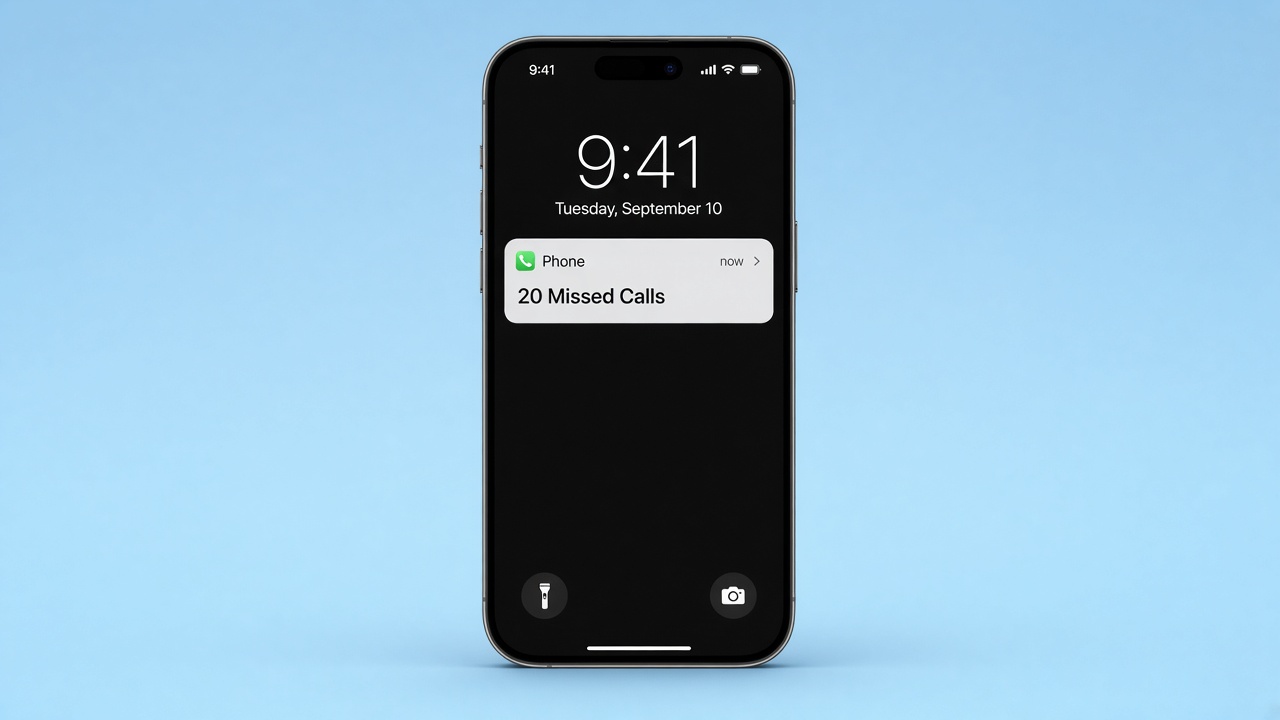
Some agents tell TalkLuna they get up to 30 spam calls a day. See how an AI receptionist filters those calls and still sends real leads to your CRM.
Read more →
TalkLuna has been accepted into Elevate's eCommerce North Tech Accelerator, presented with Moneris. Here is what that Canadian-built association means for small businesses in Canada and across North America.
Read more →
TalkLuna helps Canadian small businesses never miss a call. The Milton Chamber named us a 2026 Entrepreneur of the Year finalist as validation of that work.
Read more →TalkLuna answers when you cannot, qualifies buyer and seller inquiries, and syncs summaries to your CRM.
© 2026 talkluna. All rights reserved. Made for 🇺🇸