A practical buyer guide for property managers choosing after-hours call coverage that triages emergencies, captures leasing inquiries, and syncs clean notes into PMS workflows.
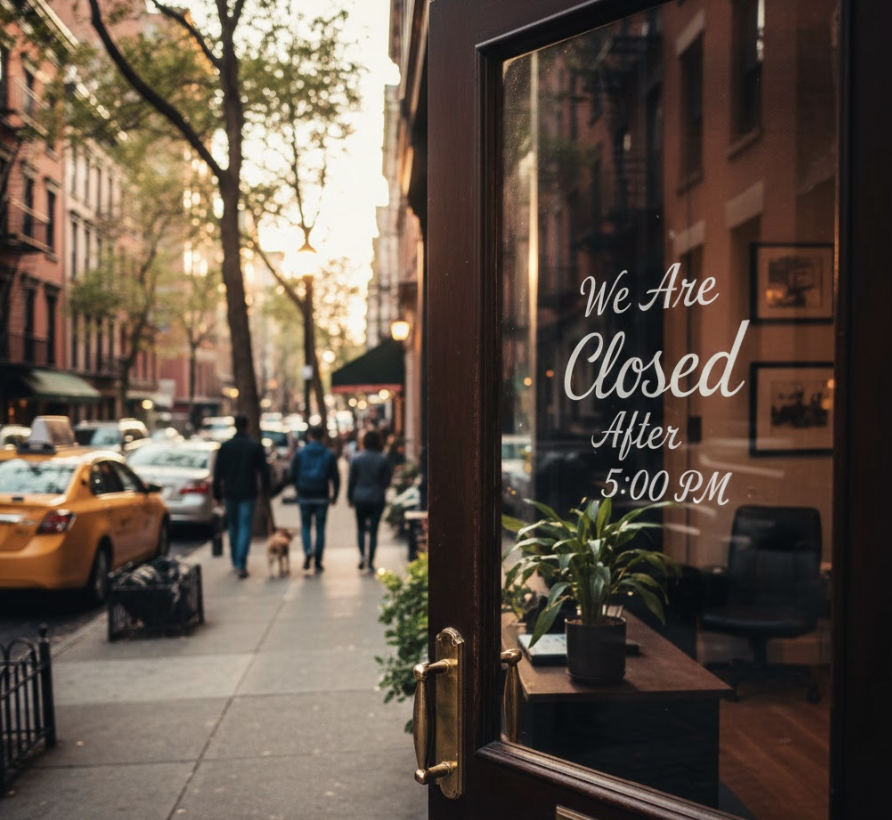
An after-hours answering service for property management answers tenant, owner, vendor, and leasing calls when your office is closed. The best setup does more than take messages: it triages emergencies, captures rental inquiries, routes urgent calls, and logs clean call details into your property management workflow.
A tenant calls at 11:18 p.m. because water is dripping through the ceiling. At the same time, a prospective renter calls about a vacant two-bedroom unit after seeing it online. If both calls hit voicemail, one can become property damage and the other can become a lost lease.
This guide explains how property managers can design after-hours call coverage that protects residents, reduces false emergency pages, and captures leasing demand after the office closes.
You will learn how after-hours coverage works, how AI answering compares with live answering services, how to build emergency maintenance triage, how to estimate ROI, and how to evaluate vendors before connecting calls, calendars, and PMS data.
An after-hours answering service for property management is a live, AI, or hybrid call-handling system that answers calls outside office hours and routes each call based on caller type and urgency.
For property managers, the service usually handles four call types: emergency maintenance, routine maintenance, leasing inquiries, and owner, vendor, or resident questions. A routine request might be a slow drain. A true emergency might be an active flood, gas smell, no heat in dangerous weather, or a security issue.
Traditional answering services usually collect a message and page a person when a script says to escalate. An AI answering service for property management can go further by asking structured questions, classifying urgency, creating a work order, booking a tour, sending a summary, and routing only the calls that need human action.
Related TalkLuna guide: AI receptionist for property management.
Property management is a 24/7 operation built on teams that often work office hours. Residents do not wait until 9 a.m. to discover a leak, and renters often shop listings at night or on weekends.
The problem is not just call volume. The harder problem is deciding what each call means. A resident saying, "there is water in the bathroom" could mean a slow drip under the sink or an active leak from the unit above. A good after-hours workflow collects enough detail to separate routine requests from true emergencies without waking the on-call team for every inconvenience.
The second challenge is leasing speed. The Harvard Business Review article "The Short Life of Online Sales Leads" found that companies contacting leads within an hour were far more likely to qualify them than companies that waited longer. The exact numbers come from sales research, not property management, but the operating lesson applies: a renter who calls about a listing tonight may book with another property by morning.
The benchmark for after-hours coverage is not "someone answered." The benchmark is whether the call produced the right next action.
Rental housing is large enough that small operational gaps compound quickly. A Congressional Research Service summary using Census data notes that the United States has over 49 million rental housing units. Statistics Canada reported that Canada had 5.0 million renter households in 2021, representing 33.1% of households. In both markets, property managers are operating in a high-volume service environment where resident response and leasing speed matter.
Metric | Message-taking approach | AI-enabled answering approach |
|---|---|---|
Emergency maintenance | Agent takes a message or pages based on a script | AI asks structured questions, classifies urgency, and escalates according to rules |
Routine maintenance | Message delivered by email or text | Work order details captured for next-business-day review |
Leasing inquiry | Name and phone number collected | Move-in timing, budget, pets, unit preference, and tour request captured |
PMS workflow | Manual entry often required | Data can be mapped into tools such as AppFolio, Buildium, Yardi, or a CRM |
This table is an operating benchmark, not a guaranteed performance claim. Actual results depend on scripts, integrations, vendor quality, and portfolio complexity.
The National Apartment Association emphasizes that maintenance and office teams both shape the resident journey. After-hours answering should support that shared customer experience, not create a disconnected message inbox.
A strong property management answering service should be scored on action quality, not just availability. Use this 100-point scorecard when comparing vendors.
Emergency triage accuracy, 20 points: Can the service separate life-safety issues, true emergencies, urgent habitability problems, and routine requests?
Escalation reliability, 15 points: Can it notify the right on-call person, superintendent, vendor, or backup contact until the issue is acknowledged?
Leasing intake quality, 15 points: Does it collect move-in timing, budget, unit type, pets, occupancy, source, and tour preference?
PMS and CRM integration, 15 points: Can it sync call notes, guest cards, work orders, transcripts, and dispositions into your system of record?
Portfolio awareness, 10 points: Can it understand property names, addresses, unit numbers, service areas, and different escalation rules by property?
Privacy and security, 10 points: Does the vendor document retention, access control, call recording consent, and personal information safeguards?
Reporting, 10 points: Can you see emergencies escalated, routine requests logged, leasing inquiries captured, tours booked, and unresolved handoffs?
Change management, 5 points: Can your team update rules quickly when staff, vendors, properties, or office hours change?
A vendor that scores high on phone answering but low on routing and integrations may still create manual work for your team.
The cost of after-hours call handling should be compared with missed leasing revenue, emergency response risk, and staff interruption cost.
Formula: Monthly missed leasing opportunity = after-hours leasing calls x unanswered rate x lead-to-tour rate x tour-to-lease rate x first-month rent
80 after-hours leasing calls per month
40% would otherwise go unanswered
35% of answered leads book a tour
25% of tours become leases
$1,850 average first-month rent
Example result: 80 x 40% x 35% x 25% x $1,850 = $5,180 estimated monthly leasing opportunity.
This is an example only, not a promise. Replace each input with your own call logs, leasing conversion rates, and average rent. For maintenance, also model routine after-hours calls multiplied by interruption minutes and loaded hourly cost.
An AI answering service for property management acts like a voice-based front desk that follows your operating rules.
The agent should confirm who is calling, the property, the unit number, the callback number, and whether the caller is a resident, owner, prospect, vendor, or neighbour. Each caller type needs a different path.
The agent asks plain-language questions to understand issue type, severity, and risk. For example, a water issue should trigger questions about active leaking, source, electrical exposure, unit habitability, and whether the tenant has shut off water if safe.
For emergencies, the service should contact the on-call person or vendor with a concise summary: property, unit, issue, severity, caller phone number, and recommended next step. It should also document whether the call was answered, missed, acknowledged, or escalated to backup.
For routine maintenance, the agent should collect details for morning review instead of waking the on-call team. Systems such as Buildium Resident Center and Yardi Maintenance IQ show why structured maintenance details matter: teams need request type, status, photos, work orders, and updates in one place.
For leasing calls, the agent should answer approved FAQs, collect qualification details, book a tour when appropriate, and sync the lead to your CRM or PMS. For a deeper guide, see AI leasing assistant.
The best choice depends on call volume, risk tolerance, budget, and how much action you need the service to take.
Option | Best fit | Watch out for |
|---|---|---|
Voicemail | Very small portfolios with low after-hours risk | Missed leasing inquiries, delayed emergencies, poor caller experience |
In-house on-call phone | High-touch portfolios with experienced staff | Burnout, false emergency pages, uneven documentation |
Live answering service | Teams that want human operators and basic message-taking | Per-minute costs, script drift, queues, manual PMS entry |
AI answering service | Portfolios with repetitive calls and clear routing rules | Requires setup, testing, escalation rules, and data governance |
Hybrid AI plus human escalation | Teams that want automation for routine calls and humans for sensitive issues | Needs clear handoff standards and ownership |
AI is not automatically better for every property manager. It is strongest when the call types are repetitive, the rules are clear, and the team wants structured data. Live humans can still be valuable for sensitive resident situations, complex disputes, and owner conversations that require judgment.
A reliable after-hours system needs separate workflows for maintenance, leasing, owner, vendor, and overflow calls.
Confirm caller name, callback number, property, and unit.
Ask what is happening in the caller's own words.
Classify the issue as life safety, true emergency, urgent but not immediate, or routine.
If life safety is possible, instruct the caller to contact emergency services where appropriate.
If true emergency, contact on-call staff or vendor with a short summary.
If routine, log the request for business-hour follow-up.
For a deeper maintenance-specific playbook, see AI emergency maintenance triage.
Ask which property or unit the renter is calling about.
Confirm desired move-in date, budget, household size, pets, parking needs, and contact details.
Answer approved questions about availability, rent range, amenities, application steps, and showing options.
Book a tour or request a callback if no live calendar is available.
Send the lead record to the leasing team or CRM.
For broader setup guidance, see AI receptionist CRM integration.
The best after-hours property management call coverage has six practical features: property-specific rules, a maintenance decision tree, leasing qualification, PMS or CRM sync, privacy controls, and reporting by outcome.
A generic script is not enough. Rules should vary by property, city, building type, heating system, vendor list, on-call schedule, and owner instructions. The service should know the difference between active water intrusion, a dripping faucet, no heat in dangerous weather, a noisy neighbour, a lockout, and a general question.
Call notes should not live only in a portal. At minimum, your team should be able to send structured summaries to email, Slack, SMS, or a CRM. Higher-value workflows connect directly to systems such as AppFolio, Buildium, Yardi, Rent Manager, Propertyware, or lead management tools.
Calls can include names, phone numbers, addresses, payment questions, unit access details, and maintenance history. Canadian businesses should understand PIPEDA requirements, and organizations using AI systems can use the NIST AI Risk Management Framework as a governance reference.
A good rollout starts with after-hours calls before expanding to all call coverage.
Audit call types across 30 to 90 days of calls, voicemails, maintenance requests, and leasing inquiries.
Define what counts as life safety, true emergency, urgent, and routine.
Map primary on-call contacts, backups, vendors, property-specific rules, and escalation windows.
Write approved answers for rent, parking, pets, amenities, showing hours, application steps, maintenance access, and office policies.
Decide where call summaries, work orders, lead records, and transcripts should go.
Run test calls for water leak, gas smell, lockout, no heat, noise complaint, leasing inquiry, owner call, vendor call, and wrong number.
Pilot nights and weekends for a subset of properties, then review false escalations, missed escalations, call summaries, and tour bookings weekly.
The first goal is reliability. Advanced automation should come after the team trusts the basic call classification and escalation logic.
Most after-hours answering failures come from unclear rules, not bad phone technology.
Treating every maintenance call as an emergency, which burns out on-call staff and increases unnecessary vendor costs.
Treating every maintenance call as routine, which delays true emergencies and can increase damage, safety risk, and resident frustration.
Using one script for every property, even though different buildings have different vendors, access rules, amenities, heating systems, and owner expectations.
Skipping leasing calls after hours, even though renters often search outside office hours.
Ignoring consent and retention rules for recordings, transcripts, and resident data.
Property management call handling is moving from message-taking to action-taking.
The next generation of AI receptionists will not just answer the phone. They will combine caller context, property rules, maintenance history, calendar availability, vendor routing, and CRM workflows. The best systems will still need human oversight, but they will reduce the repetitive intake work that makes after-hours coverage exhausting.
NIST's AI framework describes risk management through govern, map, measure, and manage functions. That mindset fits property management well. Before deploying AI voice agents, teams should map the call context, measure performance, manage risks, and govern how resident and prospect data is handled.
An after-hours answering service for property management should protect residents, preserve staff focus, and capture leasing demand when your office is closed. The strongest systems answer quickly, classify calls correctly, escalate true emergencies, log routine work, and send your team clean records they can trust.
TalkLuna is a Canadian-built Voice AI platform serving businesses across Canada and the United States. For property managers, TalkLuna helps answer calls, qualify leasing leads, route urgent maintenance issues, and connect call data with CRM and property management workflows.
If you are evaluating coverage now, start by documenting your emergency rules and reviewing the last month of missed calls. That simple audit will show whether you need voicemail cleanup, live answering, AI answering, or a hybrid approach.
An after-hours answering service for property management answers calls when the office is closed and routes each call based on urgency. It can handle maintenance triage, leasing inquiries, owner calls, vendor calls, and routine resident questions.
AI can handle emergency maintenance intake when the rules are clear, tested, and backed by human escalation. It should collect the property, unit, issue, severity, callback number, and then route true emergencies to the correct on-call person or vendor.
An AI answering service is often better for high-volume, repetitive, structured calls because it can answer instantly and collect consistent data. A live answering service may be better for sensitive or unusual conversations that require human judgment, and many property managers use a hybrid model.
An after-hours maintenance script should collect caller identity, property, unit, issue type, severity, active risk, permission to enter, callback number, and whether emergency services are needed. It should also define what gets escalated immediately and what becomes a next-business-day request.
Costs vary by provider, call volume, minutes, features, integrations, and whether the service is live, AI, or hybrid. Property managers should compare monthly cost against missed leasing calls, false emergency dispatches, staff interruption time, and manual follow-up work.
Many modern AI and call-answering platforms can send summaries or structured records into property management software, CRMs, calendars, or work order tools. Direct integration depth varies, so ask whether the provider can create work orders, update lead records, attach transcripts, and respect role-based permissions.
The best first workflow to automate is usually after-hours maintenance triage because the call types are repetitive and the routing rules can be clearly defined. Once that workflow is reliable, add leasing inquiry automation, owner routing, and business-hour overflow.
Canadian property managers should account for PIPEDA or applicable provincial privacy laws, while U.S. property managers should follow applicable state privacy, recording, and data security rules. In both countries, teams should limit collected data, control access, define retention, and disclose call recording where required.
A practical guide to AI leasing assistants for property managers, covering rental inquiry calls, lead qualification, tour booking, compliance, ROI, and rollout steps.
Read more →A practical guide for property managers setting up AI emergency maintenance triage, after-hours call routing, work order logging, and escalation rules.
Read more →A practical guide for business brokers and M&A advisors choosing call coverage that screens buyers, handles seller inquiries, protects confidentiality, and routes deals.
Read more →TalkLuna answers when you cannot, qualifies buyer and seller inquiries, and syncs summaries to your CRM.
AI answering service for your business calls. Never miss an opportunity again.
info@talkluna.comBlog
Case Studies
Integrations
© 2026 talkluna. All rights reserved. Made for 🇺🇸